Tomorrow, a 79-year-old self-made multimillionaire will attempt what the entire machinery of the German state has refused to do for 16 days: give the humpback whale Timmy a genuine chance at life. Walter Gunz, founder of MediaMarkt, has mobilised private resources, experts and equipment to launch a coordinated rescue operation in the Wismarer Bucht. His initiative is not symbolic. It is practical, funded from his own pocket, and driven by the simple conviction that a sentient being in distress deserves every reasonable effort to be saved.
This single act of private citizenship stands in stark contrast to the institutional failure orchestrated by Environment Minister Till Backhaus and the government of Mecklenburg-Vorpommern. For more than two weeks, official policy has been one of deliberate inaction: no further rescue attempts, no euthanasia, only the repeated mantra that Timmy should be left “to die in peace”. The result has been 16 days of documented, avoidable suffering for a vertebrate animal – lung compression, pressure necrosis, hyperthermia, skin blistering and secondary infections, all while remaining conscious.
The criminal complaint filed on 8 April 2026 by bestselling authors Marita Vollborn and Vlad Georgescu against Minister Backhaus is not a rhetorical gesture. It is a precisely argued legal document that accuses the minister of animal cruelty by omission under § 17 Abs. 1 Nr. 1 Buchst. b) TierSchG in conjunction with § 13 StGB. The complaint establishes that Backhaus, as the highest authority responsible for animal welfare in the state, held a clear duty of care. By consciously refusing internationally recognised methods of humane intervention – methods successfully applied to humpback whales of Timmy’s size – the minister violated both the letter and the spirit of German animal protection law. Tomorrow, the complainants will submit additional material to the Public Prosecutor’s Office in Rostock to further substantiate these charges.
The legal case is straightforward. German law does not permit prolonged, severe suffering of a vertebrate simply because rescue is difficult or politically inconvenient. The Federal Nature Conservation Act (§ 44 BNatSchG), the EU Habitats Directive (Annex IV) and the overarching principle of animal welfare as a state objective under Article 20a of the Basic Law all demand active protection. Backhaus’s decision to let nature “take its course” was not a neutral stance. It was an active choice that prioritised bureaucratic caution and institutional convenience over the welfare of a living creature.
What makes the contrast with Walter Gunz so revealing is not merely the difference in resources. It is the difference in mindset. Gunz represents the innovative, humane Germany that still exists beyond the corridors of power: a Germany of entrepreneurs and citizens who see a problem and act, who accept risk, and who refuse to hide behind procedures when a life is at stake. Backhaus represents the opposite: a political class that has perfected the art of delegation, risk avoidance and procedural paralysis. While Gunz organises divers, excavators and medical support, the minister organises press conferences that declare the situation hopeless.
This is not an isolated failure. It is symptomatic of a deeper malaise in German governance. Laws that were written to protect the weak are interpreted to protect the system. Ethical imperatives are subordinated to administrative convenience. Publicly funded institutions, such as the German Oceanographic Museum in Stralsund, stand ready to benefit from the carcass of an animal the state refused to save. The museum’s interest in Timmy’s remains is not hidden. The same authorities that blocked rescue and euthanasia are now coordinating the post-mortem logistics. The conflict of interest is glaring and indefensible.
Gunz’s intervention tomorrow is therefore far more than a rescue attempt. It is a living demonstration that Germany still possesses the capacity for compassion, ingenuity and personal responsibility. It shows that the country’s greatest strengths – its engineering excellence, its private-sector dynamism and its citizen initiative – remain intact outside the ossified structures of officialdom. The real Germany is not the one that lets a whale suffer for 16 days out of bureaucratic caution. The real Germany is the one that says: we will try anyway.
The coming hours will determine whether Gunz’s effort succeeds. Even if it does not, the moral victory is already clear. A private citizen has done what the state would not. That fact alone exposes the hollowness of the official position. It also strengthens the legal case set out in the criminal complaint. If the rule of law functions as it should, the Public Prosecutor’s Office in Rostock must now examine whether Minister Backhaus’s decisions crossed the threshold from administrative failure into criminal liability.
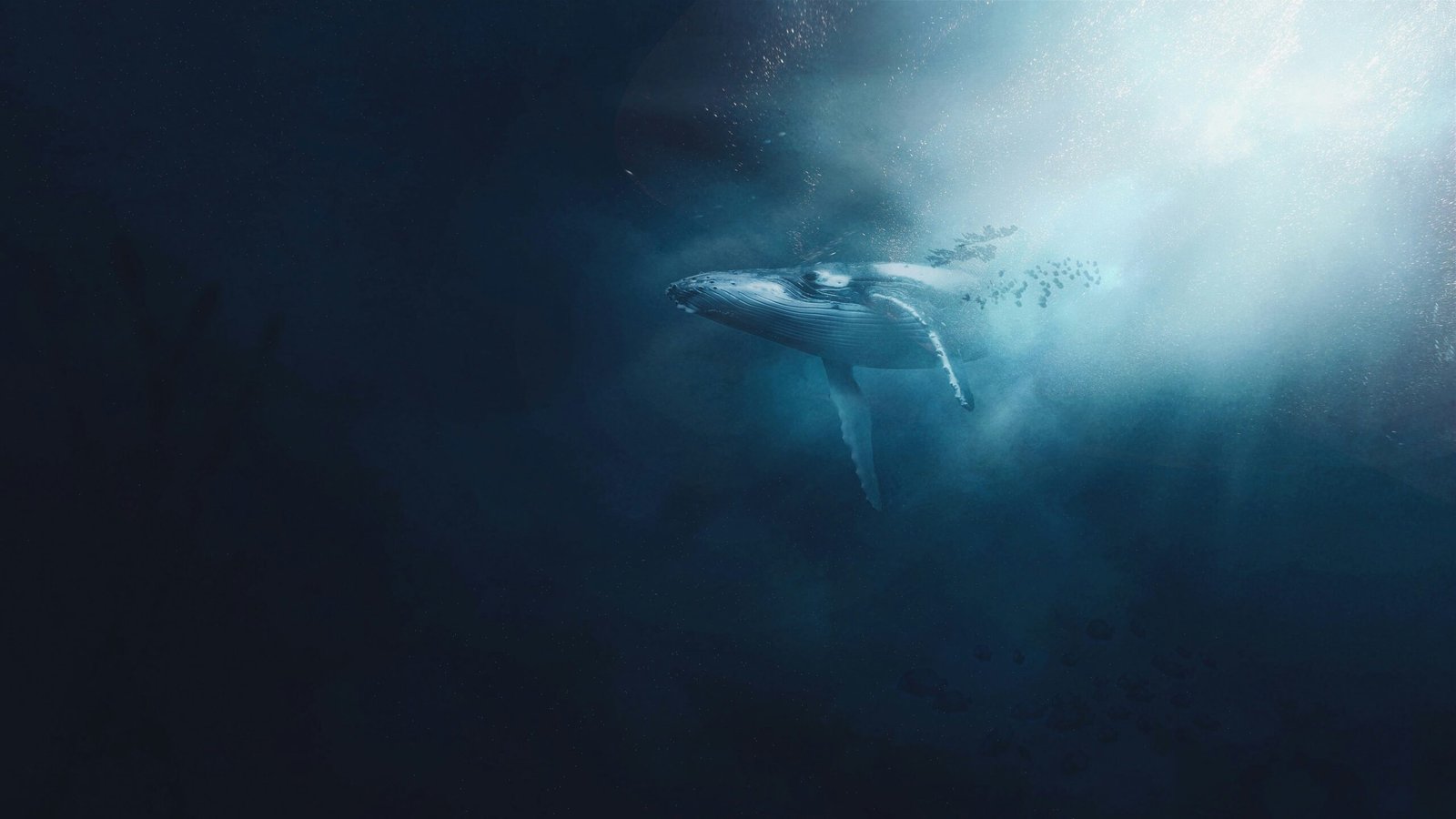
Germany stands at a crossroads. It can continue down the path of institutional paralysis, where procedures protect officials and animals are left to die in the name of caution. Or it can rediscover the spirit that built its post-war success: the courage to act, the willingness to take responsibility, and the moral clarity that places life above bureaucratic comfort.
Walter Gunz has chosen the second path. The question now is whether Germany’s political class has the honesty to recognise its own failure and the courage to follow his example. Timmy’s fate is no longer just about one whale. It is about what kind of country we want to be: one that acts when action is needed, or one that watches and calls it policy.
The choice is ours. The time to make it is now.