Severe safety vulnerabilities of US biotech supply chains
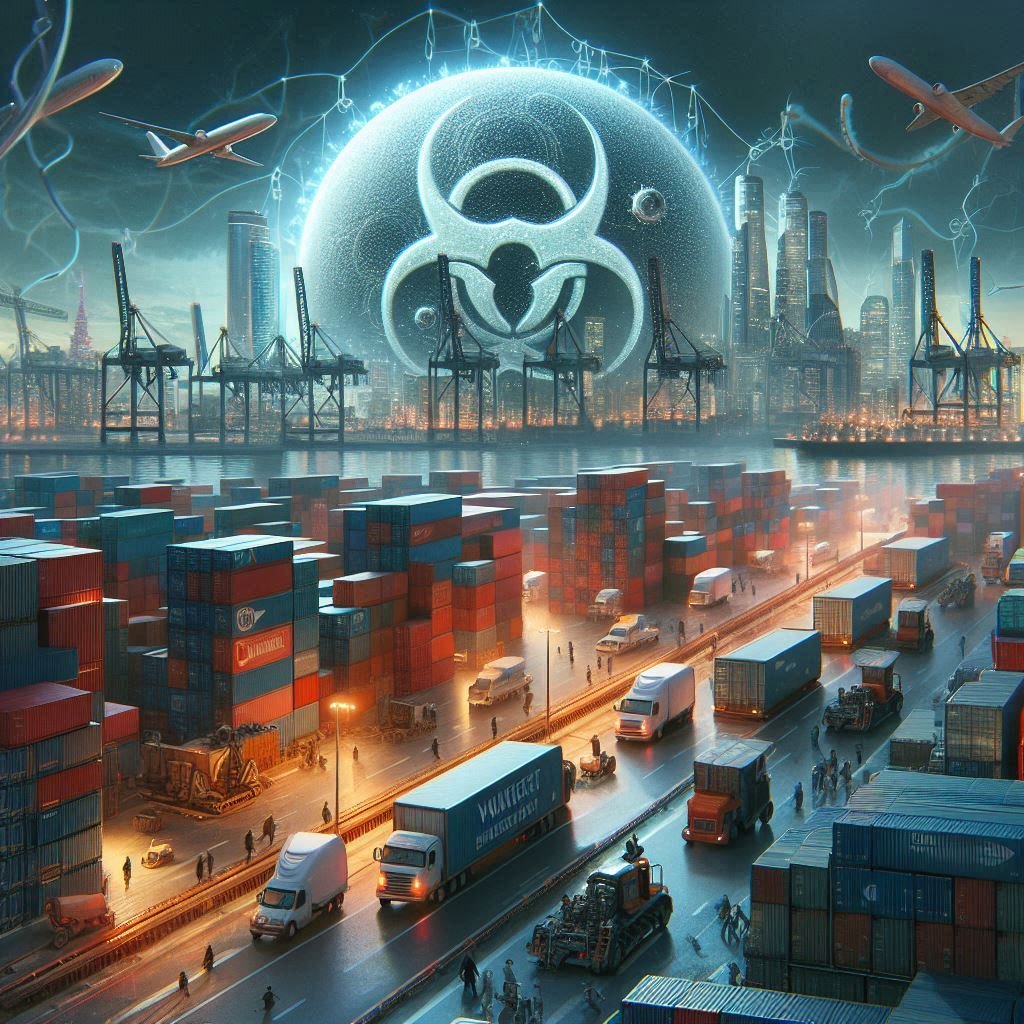
The safety vulnerabilities of biotech supply chains in the USA are a critical concern, especially in light of recent global events that have highlighted the importance of resilient and secure supply chains. The biotech industry is integral to the US economy and public health, providing essential medicines, vaccines, and other biotechnological products. However, it faces several challenges that could impact its supply chain’s safety and reliability.
One significant vulnerability is the reliance on international sources for Active Pharmaceutical Ingredients (APIs) and other critical components. As of 2019, only 28% of API manufacturers for the US market were domestically located, with the remaining 72% overseas, including 13% in China³. This dependence on foreign sources exposes the pharmaceutical industry to risks such as supply chain disruptions and financial losses due to geopolitical tensions, trade disputes, or pandemics.
To address these vulnerabilities, the US government has taken steps to strengthen supply chain resilience. Executive Order 14017 on America’s Supply Chains was signed to secure critical supply chains against a wide range of risks and vulnerabilities?. The order directed a comprehensive review of US supply chains and identified ways to protect against shortages of critical products.
Furthermore, initiatives like the Biosafety and Biosecurity Innovation Initiative aim to build strong biosafety and biosecurity into the expanding US bioeconomy¹. This includes supporting applied biosafety research, incentivizing biosafety practices, and investing in biosafety workforce development.
Despite these efforts, there is still a need for continuous assessment and improvement of biotech supply chain safety. This includes developing strategies to mitigate risks associated with biological data and intellectual property theft, balancing global partnerships with economic competitiveness, and protecting domestic biomanufacturing infrastructure.
In conclusion, while the US has made progress in addressing safety vulnerabilities in biotech supply chains, ongoing vigilance and proactive measures are essential to ensure the security and resilience of this vital sector.
Some specific examples of vulnerabilities in biotech supply chains:
1. Cybersecurity Threats: The biotech industry is increasingly targeted by cyberattacks due to its valuable intellectual property and sensitive data. For instance, the Dragonfly attack on pharma suppliers in 2014 was a cyber-espionage campaign aimed at stealing trade secrets².
2. Supply Chain Complexity: The complexity of supply chains, with components starting in Asia and circumnavigating the globe, can lead to vulnerabilities. This complexity makes it difficult to manage risks and respond to disruptions¹.
3. Single Sourcing: Relying on a single source for inputs can be risky. Nearly 50 percent of pharma executives cite sole sourcing of inputs as a critical vulnerability¹.
4. Lack of Visibility: A lack of visibility into supplier risks can leave companies unprepared for potential disruptions. This includes not knowing the full extent of the supply chain or the risks associated with each supplier¹.
5. Geopolitical Tensions: Trade disputes and geopolitical tensions can disrupt supply chains, especially when critical materials are sourced from regions that may be affected by such tensions¹.
6. Natural Disasters: Regional dependencies can lead to shortages during natural disasters and local conflicts, affecting the availability of critical materials¹.
These examples highlight the need for robust risk management strategies and resilience planning in biotech supply chains.
More info:
Pharma cyber attacks: five breaches that the industry must learn from. https://www.pharmaceutical-technology.com/features/pharma-cyber-attacks/.
Four ways pharma companies can make their supply chains more resilient …. https://www.mckinsey.com/industries/life-sciences/our-insights/four-ways-pharma-companies-can-make-their-supply-chains-more-resilient.
Addressing vulnerabilities in the medical product supply chain. https://www.pharmaceuticalprocessingworld.com/addressing-vulnerabilities-in-the-medical-product-supply-chain/.
Combatting Supply Chain Cyber Threats: Safeguarding Data and Protecting …. https://www.foley.com/insights/publications/2024/04/supply-chain-cyber-threats-safeguarding-data/.
How Supply Chain Issues Are Affecting Biotech Companies. https://www.dataev.com/about/blog/how-supply-chain-issues-are-affecting-biotech-companies/.
Rethinking the Biotech Manufacturing Supply Chain | EPAM. https://www.epam.com/about/newsroom/in-the-news/2023/rethinking-the-biotech-manufacturing-supply-chain.
FACT SHEET: Securing America’s Critical Supply Chains. https://www.whitehouse.gov/briefing-room/statements-releases/2021/02/24/fact-sheet-securing-americas-critical-supply-chains/.
Building Strong Biosafety and Biosecurity into the Expanding US Bioeconomy. https://centerforhealthsecurity.org/sites/default/files/2023-04/20230228-biosafety-and-biosecurity.pdf.
Executive Order 14017 on America’s Supply Chains | FDA. https://www.fda.gov/about-fda/reports/executive-order-14017-americas-supply-chains.
Senators float bill to establish supply chain database. https://www.fiercepharma.com/manufacturing/lawmakers-propose-federal-database-track-supply-chain-vulnerabilities.