Editorial: Why We Need More People Like Walter Gunz – And Fewer Politicians Like Till Backhaus
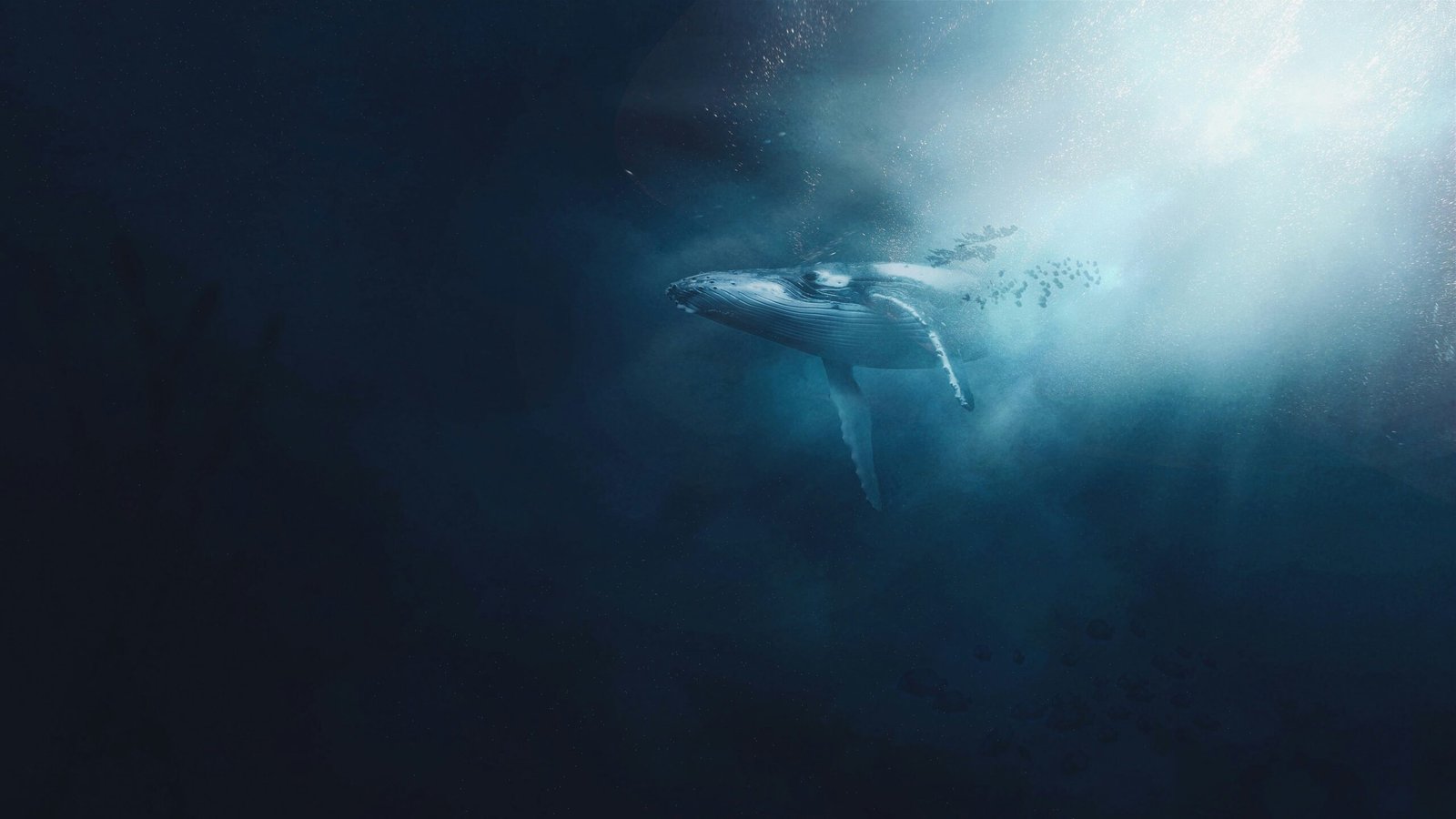
The humpback whale Timmy has turned toward the open bay in the Kirchsee off Poel island and is still fighting for his life. He is visibly suffering. While official authorities have largely given up, one 79-year-old multimillionaire is doing what politicians refuse to do: he is taking action.
MediaMarkt founder Walter Gunz has announced that he will personally finance a new rescue operation for Timmy. He is paying for antibiotics administered to the tail fluke, a digger to create a channel so the whale can slide into deeper water at high tide, divers to check for netting in the mouth, and – if necessary – a specialised catamaran for transport back to the Atlantic.
“I have followed Timmy’s fate in the media and it has deeply affected me,” Gunz said. “But I don’t want to be a mere spectator. I want to try to help.”
This is what real responsibility looks like. Gunz is not waiting for ministerial approval, expert commissions or risk assessments. He is using his own money, his own network and his own determination because he sees a sentient being in distress. That is citizen engagement at its best – not for PR, but out of genuine moral conviction.
Contrast this with Till Backhaus, the Environment Minister of Mecklenburg-Vorpommern. In a press conference he declared that rescue attempts are exhausted, euthanasia is “not an option”, and Timmy should simply be left “to die in peace”. The reasoning? Expert opinion, caution, procedure. The result? A whale enduring days of lung compression, pressure necrosis, hyperthermia, skin blistering and secondary infections – all precisely described in international scientific guidelines that the minister and his experts appear to ignore.
While Gunz asks “What else can we still try?”, Backhaus answers with the classic politician’s reflex: “We have examined all options.” While Gunz accepts risk, Backhaus shields himself behind bureaucracy and expert panels. While Gunz takes personal responsibility, Backhaus delegates it away.
This is not an isolated case. It is a systemic failure. In Germany we have cultivated a political class that has mastered the art of avoiding responsibility. Working groups are formed, reports are commissioned, responsibilities are shifted – and in the end “nature is allowed to take its course”. The outcome is often not only ineffective, but morally indefensible. Timmy is merely the latest tragic example.
Walter Gunz shows what is possible when an individual refuses to wait for the state. He risks money, reputation and failure – and therefore creates the possibility of success. That willingness to act is precisely what is so often missing in politics: the courage to try, even if it might not work. Instead, we get the fear of mistakes, media criticism and legal consequences.
We need more people like Walter Gunz: citizens, entrepreneurs and private individuals who see something wrong and simply get on with fixing it. We need fewer politicians like Till Backhaus: administrators who hide an animal’s suffering behind phrases like “let it die in peace” while claiming to follow expert advice.
The Timmy case is more than a wildlife drama. It is a mirror of our society. On one side stand individuals ready to take responsibility. On the other stand institutions that refuse it.
Thank you, Walter Gunz, for showing how it can be done differently. And Minister Backhaus should ask himself whether he is really the right man in the right place when a private citizen is doing more for animal welfare than his entire ministry.