Lung cancer remains a leading cause of cancer deaths worldwide. While early detection through screening is crucial, emerging research suggests that biomarkers may play a role in prevention efforts.
What are biomarkers?
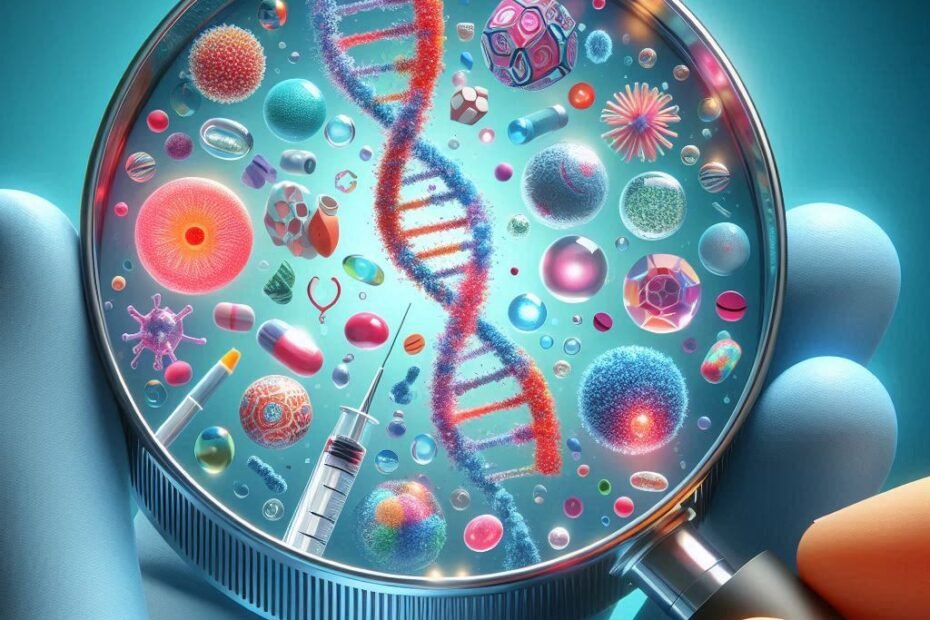
Biomarkers are biological molecules or characteristics that can be measured in blood, tissue, or other body fluids. They offer insights into normal or abnormal processes in the body and can indicate the presence of disease, even before symptoms appear.
Biomarkers for Lung Cancer Prevention
* Early detection of precancerous changes: Certain biomarkers can identify individuals at higher risk of developing lung cancer by detecting subtle changes in the lungs before cancer fully develops. This allows for early interventions to prevent or slow cancer progression.
* Targeted risk assessment: Biomarkers can help personalize lung cancer screening by identifying those most likely to benefit. This can reduce unnecessary screenings and procedures for low-risk individuals.
* Monitoring the effectiveness of preventive interventions: Biomarkers can be used to assess the impact of lifestyle changes or chemoprevention strategies, allowing for personalized prevention plans.
Promising Biomarkers
Research is ongoing, but potential biomarkers include:
* Genetic markers: Inherited or acquired genetic changes can increase lung cancer risk.
* Epigenetic markers: Alterations in gene activity, without changes to the DNA sequence, can influence cancer development.
* Protein and molecular markers: Changes in the levels of certain proteins or other molecules in blood or tissue can indicate early cancer development.
The Future of Biomarker-Based Prevention
The use of biomarkers in lung cancer prevention is still evolving. Further research is needed to identify the most effective biomarkers and develop reliable tests for widespread use. However, the potential for personalized and targeted prevention strategies is promising.
Key Points:
* Biomarkers can identify individuals at high risk for lung cancer, allowing for early interventions.
* Biomarkers can improve the accuracy and efficiency of lung cancer screening.
* More research is needed, but biomarker-based prevention offers hope for reducing lung cancer mortality.
Promising biomarkers for early-stage lung cancer detection include:
* Circulating tumor DNA (ctDNA): Fragments of DNA released from tumor cells into the bloodstream.
* Circulating tumor cells (CTCs): Cancer cells that break away from the primary tumor and circulate in the blood.
* MicroRNAs (miRNAs): Small RNA molecules that regulate gene expression and can be altered in cancer cells.
* Proteins and other molecular markers: Specific proteins or molecules released by tumor cells or the body in response to cancer can be detected in blood or other body fluids.
* Genetic and epigenetic markers: Inherited or acquired genetic mutations or epigenetic changes that increase lung cancer risk can be identified through genetic testing.
These biomarkers are still being studied, but they hold great promise for earlier and more accurate detection of lung cancer.
Remember, while biomarkers show great promise, the best way to prevent lung cancer is to avoid smoking and exposure to secondhand smoke.