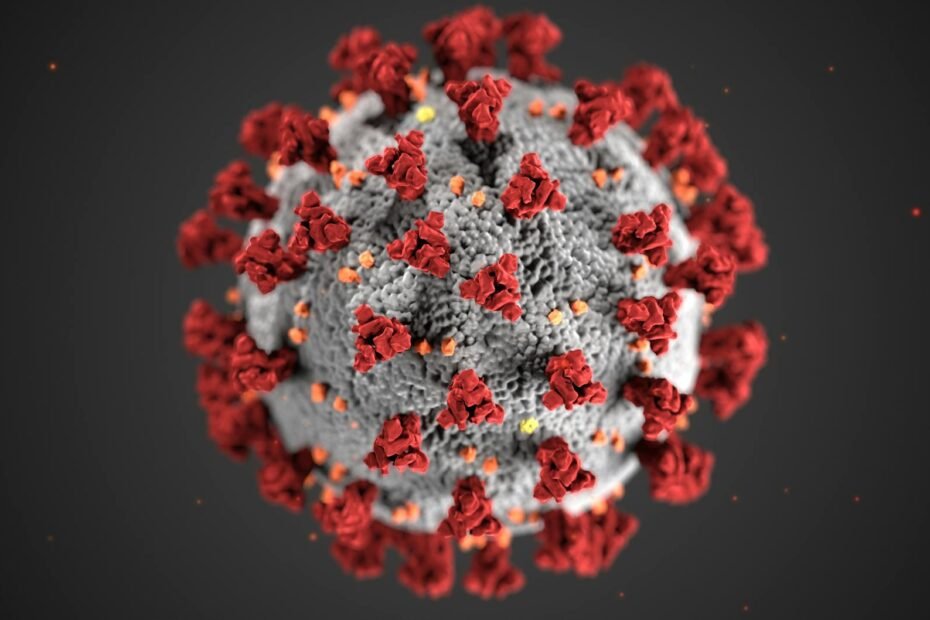
Brigham researchers found people with wide-ranging long COVID symptoms were twice as likely to have SARS-CoV-2 proteins in their blood, compared to those without long COVID symptoms.
A persistent infection could explain why some people experience long COVID symptoms, according to a new study led by researchers at Brigham and Women’s Hospital, a founding member of the Mass General Brigham healthcare system. The team found evidence of persistent infection in 43 percent of participants with cardiopulmonary, musculoskeletal or neurologic symptoms symptoms of long COVID. Results are published in Clinical Microbiology and Infection.
“If we can identify a subset of people who have persistent viral symptoms because of a reservoir of virus in the body, we may be able to treat them with antivirals to alleviate their symptoms,” said lead author Zoe Swank, PhD, a postdoctoral research fellow in the Department of Pathology at Brigham and Women’s Hospital.
The study analyzed 1,569 blood samples collected from 706 people, including 392 participants from the National Institutes of Health-supported Researching COVID to Enhance Recovery (RECOVER) Initiative, who had previously tested positive for a COVID infection. With a highly sensitive test they developed, researchers looked for whole and partial proteins from the SARS-CoV-2 virus. They also analyzed data from the participants’ long COVID symptoms, using electronic medical chart information or surveys that were gathered at the same time as the blood samples were taken.
Compared to people who didn’t report long COVID symptoms, those who reported persisting symptoms affecting heart and lung, brain, and musculoskeletal systems many organ systems were approximately twice as likely to have SARS-CoV-2 proteins circulating in their blood. The research team was able to detect the spike protein and other components of the SARS-CoV-2 virus using Simoa, an ultrasensitive test for detecting single molecules. Commonly reported long COVID symptoms included fatigue, brain fog, muscle pain, joint pain, back pain, headache, sleep disturbance, loss of smell or taste, and gastrointestinal symptoms.
Specifically, 43% of those with long COVID symptoms affecting three major systems in the body, including cardiopulmonary, musculoskeletal, and neurologic systems, tested positive for viral proteins within 1 to 14 months of their positive COVID test. But only 21% of those who didn’t report any long COVID symptoms tested positive for the SARS-CoV-2 biomarkers in this same period.
It’s possible that a persistent infection explains some – but not all – of the long COVID sufferers’ symptoms. If this is the case, testing and treatment could aid in identifying patients who may benefit from treatments such as antiviral medications.
A Condition with More Than One Cause
One of the questions raised by the study is why more than half of patients with wide-ranging long COVID symptoms tested negative for persistent viral proteins.
“This finding suggests there is likely more than one cause of long COVID,” said David Walt, PhD, a professor of Pathology at Brigham and Women’s Hospital and Principal Investigator on the study. “For example, another possible cause of long-COVID symptoms could be that the virus harms the immune system, causing immune dysfunction to continue after the virus is cleared.”
https://www.clinicalmicrobiologyandinfection.com/article/S1198-743X(24)00432-4/abstract