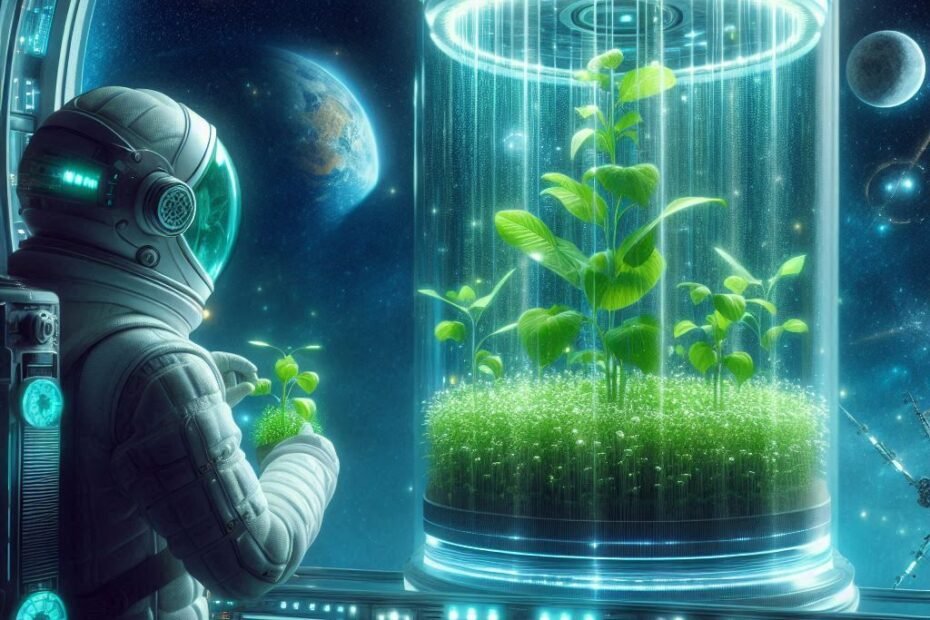
The pursuit of space exploration has led to significant advancements in various fields, including the study of biological organisms in space. As space agencies plan for human missions to the Moon and Mars, understanding the effects of space travel on living organisms is crucial for safe and effective crewed space exploration. One critical aspect of this research is the development of standards for space omics technology, which involves the study of biological molecules such as DNA, RNA, proteins, and metabolites in space.
The Need for Standardization
Space omics experiments are being conducted globally, involving model organisms and, more recently, humans. However, the lack of standardization in these experiments hinders the optimal extraction of actionable scientific discoveries from the data. The space environment presents unique stressors such as radiation, microgravity, and isolation, which affect biological organisms in various ways. To address these challenges, scientists from around the world have come together to establish the International Standards for Space Omics Processing (ISSOP) consortium[1][2][3].
The ISSOP Consortium
ISSOP aims to develop and iteratively refine protocol guidelines related to space omics sample processing. The consortium hosts the latest protocols from various regions, providing specific expertise collectively on their GitHub page[2]. This collaborative effort ensures that scientists and the general public can derive valid hypotheses from the data by reducing confounding factors and increasing interoperability at the global level.
Key Objectives
The primary objectives of ISSOP include:
1. Development of Countermeasures**: To mitigate the effects of space travel on biological organisms, such as radiation, microgravity, and isolation.
2. Adaptation of Plants and Microbes: To develop nutrient sources and bioregenerative life support systems for space exploration.
3. Limiting Pathogen Infection: To prevent the spread of pathogens in space environments.
Future Challenges
Despite the progress made, there are still significant challenges to overcome. These include:
1. Radiation Biology: Understanding the effects of space radiation on biological organisms.
2. Vestibular-Related Physiological Functions: Adapting to new gravitational environments.
3. Immune System Response: Understanding how spaceflight affects the acquired immune system.
Conclusion
The establishment of standards for space omics technology is a critical step towards advancing our understanding of biological organisms in space. The ISSOP consortium plays a vital role in promoting standardization, collaboration, and knowledge sharing among scientists worldwide. As we continue to push the boundaries of space exploration, the development of these standards will be crucial for ensuring the safety and effectiveness of crewed space missions.
[1] A New Era for Space Life Science: International Standards for Space … https://www.sciencedirect.com/science/article/pii/S2666389920301963
[2] Establishing Standards for Space Omics – NASA GeneLab https://genelab.nasa.gov/space_omics
[3] (PDF) A New Era for Space Life Science: International Standards for … https://www.researchgate.net/publication/347703581_A_New_Era_for_Space_Life_Science_International_Standards_for_Space_Omics_Processing
[4] International Standards for Space Omics Processing – Cell Press https://www.cell.com/patterns/pdf/S2666-3899%2820%2930196-3.pdf
[5] International Standards for Space Omics Processing – PubMed https://pubmed.ncbi.nlm.nih.gov/33336201/